UAENRE: Fostering Leadership for a Sustainable Future
A group of environmental and natural resource enthusiasts came together to solve some of Uganda’s most pressing challenges. That’s the Uganda Association of Environmental and Natural Resource Economists (UAENRE) – a dynamic platform that started with a simple vision among Busitema University alumni and staff, evolving into a powerhouse driving sustainable resource use in Uganda. Born on May 18, 2019, UAENRE has been shaping the future of natural resource economics, with initiatives like the annual NRE Homecoming, which connects alumni with current students, bridging the experience gap.
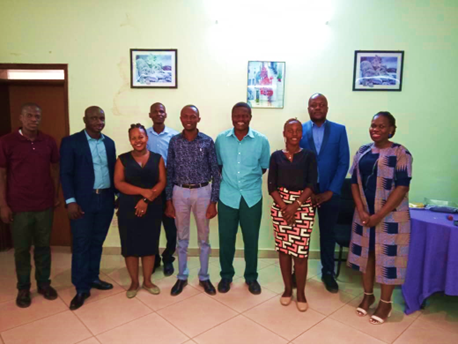
One of UAENRE’s newest and most exciting developments involved the leadership training of the Executive Committee held on August 27, 2023, which brought fresh leaders under one roof to polish their skills. Think of it as a “leadership boot camp,” designed to supercharge the association’s drive toward sustainable resource management and development. But why, you might ask, is leadership training such a crucial element for UAENRE? The answer lies in its pivotal role in shaping a sustainable future for Uganda. Let’s take a closer look at why this training matters and how it equips leaders to drive meaningful change in environmental and natural resource management.
Why Leadership Training is a Game-Changer for UAENRE
At UAENRE, we see leadership as more than just fancy titles; it’s about turning vision into action, staying accountable, and influencing positive change. With the environmental landscape constantly shifting, there’s a need for bold leadership that can guide the association toward its goals, all while keeping sustainability front and center. The Executive Committee Leadership Training wasn’t just a formal affair; it was a deep dive into the skills, knowledge, and tools needed to navigate the world of Natural Resource Management and Natural Resource Economics in Uganda (and beyond!).
Building the Leaders of Tomorrow: Key Training Objectives
The goal of the training was simple: inspire and prepare leaders who will guide UAENRE into the future.
- Vision Expansion: Encouraging leaders to think beyond immediate challenges and focus on long-term natural resource sustainability.
- Capacity Building: Equipping leaders with the know-how to grow the association and manage its organizational needs.
- Ethical Leadership: Reinforcing the importance of accountability and strong work ethics.
- University Collaboration: Cementing ties with academic institutions to promote transformative research in natural resource economics.
Training Highlights: A Roadmap to Leadership Excellence
The leadership training wasn’t an average run-of-the-mill workshop. It was packed with lessons from seasoned leaders and industry experts, all aimed at building a generation of leaders ready to tackle the pressing challenges in natural resource economics. Here’s what they covered:
- Learning from Past Leadership, the talk was given by Mr Mayanja Brian. Brain alluded that reflection is key and by looking at past successes and challenges, the new leaders learned how to build on what works—and fix what doesn’t.
- Wider Vision and Aspirations, the talk was given by John Sekajugo (PhD). Dr indicated that there was need to align leadership efforts with UAENRE’s broader vision for sustainability and effective natural resource management.
- Ethical Leadership and Accountability: Focused on doing what’s right, sticking to ethical practices, and leading with integrity. This segment was run by Samuel Lwettute.
- Strategic University Engagement: Strengthening partnerships with academic institutions and industry stakeholders to foster cutting-edge research and educational transformation.
- Masiga’s professionalization of UAENRE introduced valuable perspectives aimed at elevating the organization into a recognized professional body within Uganda’s Environmental and Natural Resource sectors. He highlighted two key approaches to achieving this.
- Firstly, as an industry association for Environmental and Natural Resource Economics to be recognized as professionals at the same practice level, develop alliances with key industries like NEMA and the Uganda Association of Impact Assessment (UAIA), and propose standards of practice and codes of conduct tailored to the relationships and sectors supported. He emphasized, however, that this approach carries the risk of potential conflicts, including power struggles both within the organization and with similar institutions.
- The second avenue involving setting up of an independent bureau to promote the Environmental and Natural Resource Economics (ENRE) field, ensuring its growth and sustainability in the long term. He cited an example of such organisations that have succeeded through this avenue such as Advocates Coalition on Development and Environment (ACODE) and Nature Uganda among others.
- Professor Isabirye Moses emphasized the need for the association to play a pivotal role in academic transformation. He suggested reviewing the constitution to enable effective action and aligning academic programs with rapid changes driven by technology and societal shifts. He stressed that the association should advocate for curriculum revisions, especially to prevent vital courses from being discontinued, and engage in national debates on environmental issues like deforestation. The association should also influence policy by revising outdated laws, such as land use planning guidelines, and contribute to improving environmental impact assessment methodologies. He proposed organizing a conference on regional issues, establishing connections with professional bodies, and exploring international affiliations to broaden the association’s influence. To increase visibility, Professor Isabirye recommended initiatives like the “Kakungulu Tree Planting Day” and collaborating with the Ministry of Water and Environment. Lastly, he urged members to stay informed and actively participate in knowledge generation to remain influential in driving academic and sectoral transformation.
Action-Packed Takeaways
The leadership training wasn’t just about talking—it was about action. Here’s what’s next for UAENRE:
- Revamping the Constitution: Revising the association’s constitution to align with future goals, with feedback from key facilitators.
- Strengthening Communication: Building stronger communication systems, especially around social media engagement.
- Expanding Membership: Mapping environmental economists and engaging fresh graduates to grow the association.
- Forging Partnerships: Developing formal MoUs with universities and environmental organizations for collaborative projects.
In Closing: Sharpening the Tools for a Sustainable Future
As the sun set on the training session, the President wrapped up with a timeless quote from Abraham Lincoln: “If you give me eight hours to cut a tree, I will spend six hours sharpening the axe.” And that’s what UAENRE is doing—sharpening its leadership tools for a sustainable, resilient future. The future of natural resource management in Uganda looks brighter with UAENRE at the helm. With strong leadership, clear vision, and unwavering commitment, there’s no doubt that this association is set to become a game-changer for sustainable development in the region. Stay tuned, because UAENRE’s journey has only just begun.